
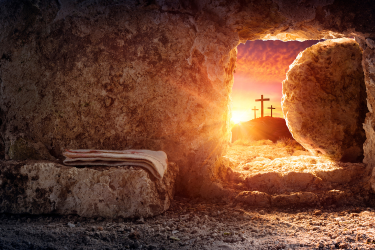
Easter, a time of reflection and celebration in the Christian world, carries deep historical and spiritual significance. While many associate it with chocolate eggs and bunnies, the essence of Easter is much more profound. Here are five aspects of Easter that might surprise you, especially if you’re exploring it from a non-Christian perspective.
1. Easter’s Date Changes Every Year
Easter doesn’t have a fixed date, unlike Christmas, which is celebrated on December 25th each year. Instead, it’s observed on the first Sunday after the full moon that occurs on or after the March equinox. This calculation makes Easter a movable feast, with its date varying between March 22 and April 25. The formula used to determine its date was established by the Council of Nicaea in A.D. 325, aiming to unify the Christian celebration of Easter.
2. Easter’s Connection to Passover
Easter is intrinsically linked to the Jewish festival of Passover, historically and symbolically. The Last Supper, which Jesus shared with his disciples before his crucifixion, is considered by many scholars to be a Passover meal. This connection highlights the shared history and intertwined religious narratives of Christianity and Judaism. Easter, therefore, not only commemorates the resurrection of Jesus but also ties back to the ancient Jewish tradition of celebrating Passover.
3. The Significance of Lent
Leading up to Easter is the season of Lent, a 40-day period of fasting, prayer, and penance. Starting on Ash Wednesday, Lent mirrors the 40 days Jesus fasted in the wilderness, resisting temptation. It’s a time for Christians to reflect on their life, make amends, and prepare spiritually for the celebration of Easter. The practice of giving up certain luxuries or habits during Lent is a way to foster discipline and focus on spiritual growth.
4. Easter Traditions Vary Worldwide
While Easter eggs and the Easter bunny are common in many Western countries, traditions vary significantly around the globe. For instance, in Poland, Śmigus-Dyngus or “Wet Monday” is celebrated, where people drench each other with water. In Spain, elaborate processions take place during Holy Week. These diverse traditions reflect the cultural richness of Easter celebrations and how they have evolved over time to incorporate local customs and practices.
5. Easter is a Celebration of Hope
At its core, Easter is a celebration of hope and renewal. It commemorates the resurrection of Jesus, which Christians believe signifies the victory of life over death and good over evil. This message of hope and rebirth is universal, transcending religious boundaries and resonating with individuals seeking light in times of darkness.
In conclusion, Easter is a multifaceted holiday with deep historical roots and rich cultural traditions. Whether you are Christian or not, understanding these aspects of Easter can provide a greater appreciation for its significance and the universal themes of hope, renewal, and redemption it represents.


